🚌 PM-eBus Sewa Scheme (2023–2030): Progress of the 38,000 Electric Bus Deployment Initiative Launched in 2023
Introduction:
In major cities such as Pune and Mumbai, population growth and traffic congestion have been increasing rapidly. At the same time, pollution levels have risen significantly due to the heavy use of conventional petrol and diesel-powered vehicles.
To control this growing pollution and to introduce modern technology into public transportation, the Government of India took an important step in 2023 by launching the PM-eBus Sewa Scheme.
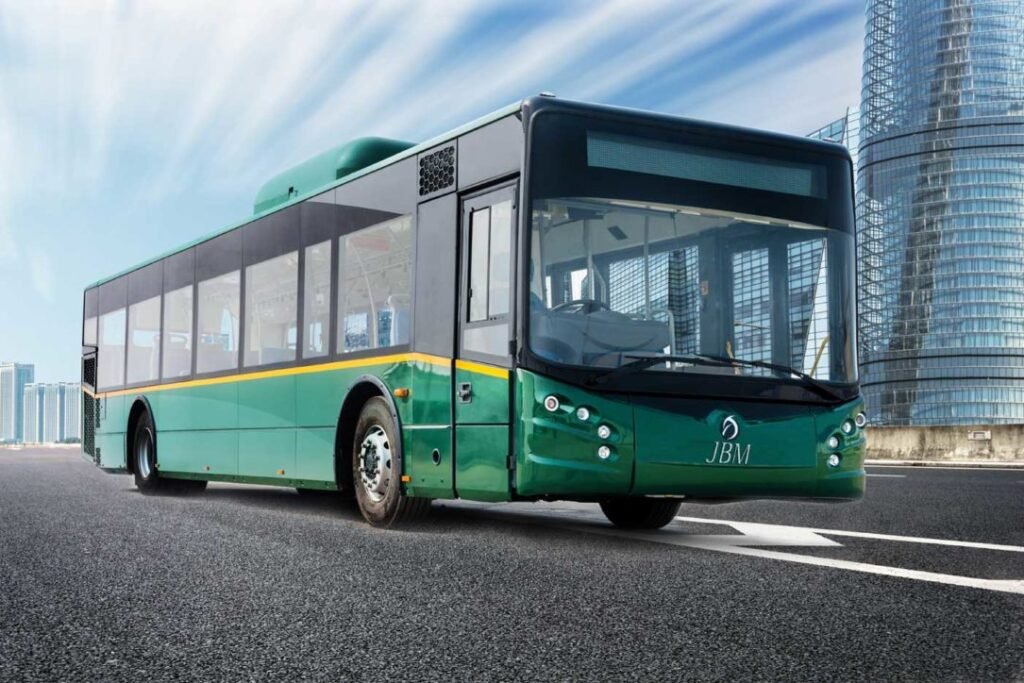
Core Objective of the Initiative (Vision 2030):
- To deploy 38,000 electric buses across multiple cities within the country by 2028–29.
- The bus services will be implemented under a Public–Private Partnership (PPP) model.
- The government will ensure timely payments to bus operators/workers by providing financial stability through a dedicated Payment Security Mechanism.
Key Features of the Scheme (India – Main Framework 2030):
• Public–Private Partnership (PPP) – 2023:
The government provides opportunities to the private sector for operating, maintaining, and managing e-buses, while ensuring necessary infrastructure and strong policy support.
• Payment Security Mechanism:
This special financial mechanism guarantees on-time payments to bus operators, thereby increasing confidence among private investors.
• Pollution-Free and Efficient Transport:
Electric buses significantly reduce fuel expenses, lower carbon emissions, and help make cities cleaner and more sustainable.
• Smart City Connectivity – PM-eBus Sewa 2030:
The e-Bus service aligns with Smart City projects, AMRUT 2.0, and the National Urban Transport Policy, supporting integrated urban development.
Expected Benefits by 2030:
- Reduction in Pollution:
E-buses lead to lower air and noise pollution and help reduce the overall carbon footprint. - Employment Opportunities:
Jobs will be created in e-bus operations, driving, charging station maintenance, and other related sectors, benefiting local communities. - Fuel Cost Savings:
Compared to conventional fuels, electric buses drastically reduce operational fuel expenses. - Urban Development:
Citizens will enjoy cleaner, quieter, and more comfortable travel in smart, well-planned cities, improving overall quality of life.
Implementation Strategy & Future Vision:
- The Indian Government is committed to transforming major cities like Pune and Mumbai towards zero-emission mobility.
- The PM-eBus Sewa Scheme – India 2030 will act as a central pillar for sustainable public transportation.
- In the coming years, India is expected to emerge as one of the countries with the largest and most efficient public transport networks by 2030, driven by this initiative.
Progress So Far (As of 2025):
- Out of the planned 38,000 electric buses, 3,825 buses have already been manufactured.
- The remaining 34,175 buses are under various stages of production and are expected to be completed by 2028.
- Urban greenhouse gas emissions have reduced by approximately 19%.
- ₹3,435 crore has been approved by the central government, which is being utilized for the procurement and operation of electric buses.
This is informative update thank you